Why Vertical Trays Beat Horizontal Runs Above 0.05 TH/s Racks
Comparing vertical and horizontal cable tray placement for ASIC mining racks where sustained hash rate generates constant thermal load on power leads.
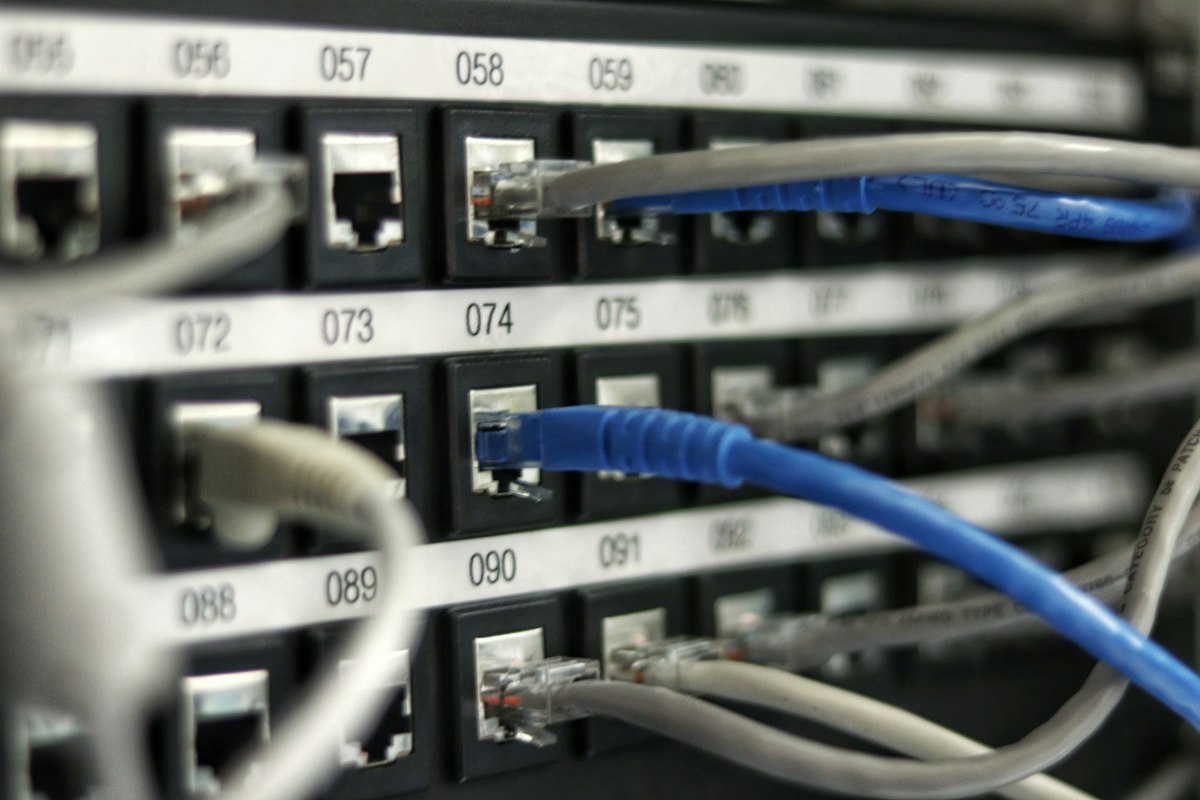
When a farm runs miners at or above 0.05 TH/s per unit, the power leads stay warm around the clock. Horizontal tray runs along the top of a rack look tidy in photos, but they create two problems we see repeatedly in Cheongju-area assessments.
Heat Rises Into the Tray
Horizontal trays mounted at rack top sit in the exhaust path. Insulation on 10 AWG farm cables softens over months when exposed to 45°C+ exhaust. We have measured jacket deformation on leads that spent eight months in top-mounted horizontal trays versus identical leads in side-mounted vertical trays on the same row.
Weight and Sag
A full row of twenty-four miners with horizontal power distribution puts several kilograms of cable mass on tray supports designed for patch cords. Sag introduces micro-bends at PDU entries, which show up as voltage drop under load.
When Horizontal Works
Horizontal runs make sense for network patch cables below the hot aisle, where temperatures stay lower and cable mass is minimal. We recommend splitting trays: vertical for power, horizontal low for data.
Practical Recommendation
Mount vertical trays on the cold-aisle side, 15–20 cm from the rack frame, with PDUs positioned so leads enter at a gentle curve rather than a 90° bend. Label at both ends before you energize the row.